Home

Why Construction Sequencing Supports Better Quality Control

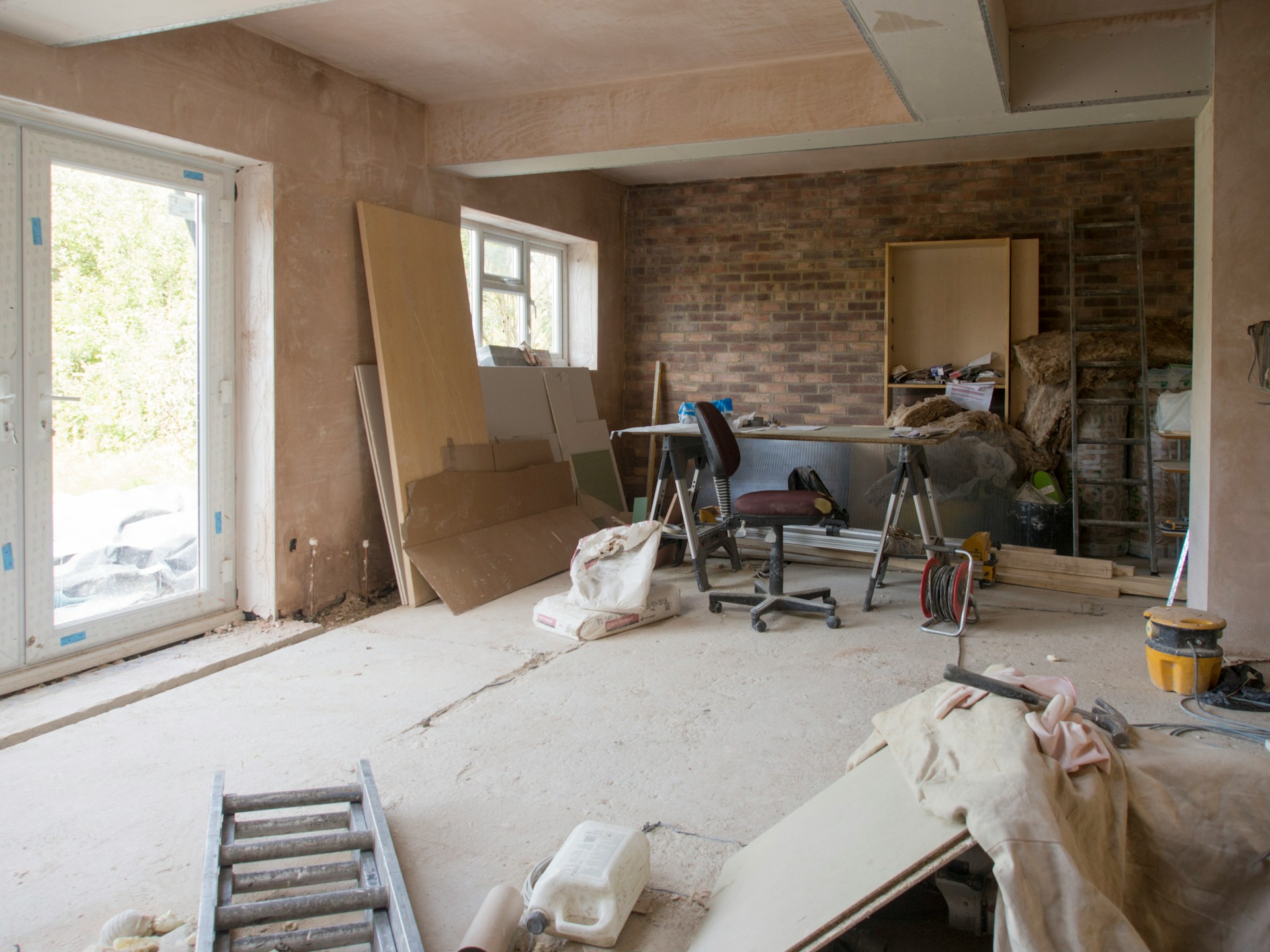
Every construction project follows a series of connected steps. Before walls are framed or roofs are installed, crews must complete groundwork, foundations, and structural work in the correct order. This planned order is known as construction sequencing. It organizes tasks so each phase prepares the site for the next one. While sequencing helps projects stay on schedule, it also plays a major role in maintaining quality. Insights from https://www.haustechnikdialog.de/News/31572/Von-U-Wert-bis-GWP-Welche-Kennzahlen-fuer-nachhaltiges-Bauen-wirklich-zaehlen?showcode=f0efb5f6cb also highlight the importance of meeting construction standards and performance benchmarks throughout every building phase, reinforcing the value of an organized workflow. When construction activities happen in the proper sequence, inspections become more effective, mistakes are easier to identify, and completed work is better protected from damage. Understanding why construction sequencing supports better quality control helps explain why organized planning remains essential from the beginning of a project until its final inspection.

Organized Construction Activities

Quality construction begins with a logical workflow. Every building system depends on another system being completed correctly beforehand. For example, foundation work must finish before structural framing begins. Electrical and plumbing systems are installed before insulation, and drywall covers them. Roofing protects the structure before interior finishing starts. This organized progression allows every trade to complete its responsibilities without interfering with previous work. When tasks follow the planned sequence, crews work more efficiently while maintaining consistent construction standards throughout the project.

Minimized Costly Rework

One of the biggest threats to construction quality is having to repeat completed work. Rework often happens when activities occur too early or without confirming that previous stages meet project requirements. If inspections are skipped or construction continues before corrections are made, hidden problems may remain inside the building. Discovering these issues later usually requires removing finished materials, increasing both labor and costs. Proper sequencing reduces this risk by allowing each stage to be reviewed before the next one begins. Addressing small concerns early prevents them from becoming larger structural or installation problems later.

Thorough Inspections

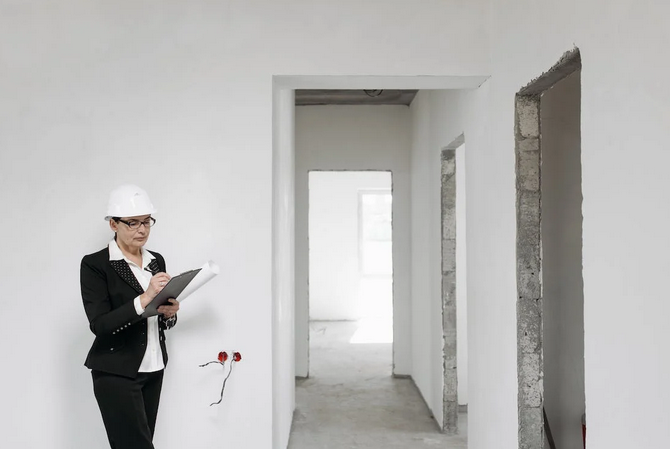
Construction inspections are most effective when each building phase remains fully visible. Inspectors need clear access to structural components, utility systems, and installation details before they become concealed. Sequencing creates natural inspection points throughout the project. Foundations can be evaluated before concrete placement continues. Structural framing can be reviewed before walls are enclosed. Plumbing and electrical systems can be examined before insulation and drywall are installed. These planned checkpoints improve quality by confirming that work meets project specifications before construction moves forward. Regular inspections help maintain consistent standards from start to finish.

Well-Protected Completed Work

Construction sites remain active environments where multiple trades perform different tasks over extended periods. Completed work may become damaged if later activities are not carefully coordinated. Proper sequencing minimizes unnecessary traffic through finished areas. Flooring is usually installed after heavier equipment has been removed. Interior finishes often wait until exterior work reduces exposure to weather. Windows may be protected until surrounding construction has been completed. This careful ordering helps preserve completed work while reducing repairs caused by accidental damage during later stages of construction.

Improved Trade Coordination

Modern buildings require many specialized trades working together throughout construction. Carpenters, electricians, plumbers, HVAC technicians, roofers, painters, and finish installers each contribute different parts of the project. Sequencing helps coordinate these teams so everyone understands when their work begins and ends. Clear scheduling reduces …

Read More


Home

Climate-Friendly Housing Begins With Better Use of Existing Space

Climate-friendly housing begins with better use of existing space because the greenest home is often the one that’s already standing and ready for a second life. Insights from Wissenschaft.de highlight the importance of comparing construction methods to understand which approach may be most suitable for different homeowners. Aside from that, upgrading and reusing existing buildings can significantly reduce environmental impact while improving everyday living. Building from scratch has its place, but overlooking perfectly usable homes is like throwing away a warm coat because a button came loose. But how is it possible? Here’s the answer.

brick wall

Existing Homes Already Hold Valuable Resources

Every house represents years of labor, building materials, and energy invested long before the first family moved in. Tearing it down too quickly means losing much of that value in a single swing of the wrecking ball. Reusing existing structures helps preserve those resources instead of replacing them with new ones. Older properties also bring character that modern construction sometimes struggles to recreate. Brick walls, timber beams, and thoughtful craftsmanship deserve another chapter instead of an early farewell. Renovating those homes gives them fresh purpose without erasing their story.

Thoughtful Renovations Improve Everyday Efficiency

Climate-friendly housing isn’t only about reducing construction waste. Existing homes also benefit from energy-saving improvements that make them more comfortable throughout the year. Better insulation, efficient windows, and sealed air leaks reduce unnecessary energy loss while creating steadier indoor temperatures. Mechanical systems perform better after those improvements are complete. Heating and cooling equipment spends less time working because the building itself does a better job holding comfortable temperatures. That’s like riding a bicycle on smooth pavement instead of pushing through deep sand. Less effort produces better results.

people

Smarter Space Planning Reduces the Need for Expansion

Many families believe they need a larger house when, in reality, they need a better layout. An unused attic, neglected basement, or oversized guest room can often become practical living space with thoughtful planning. Those changes improve daily life without increasing a home’s footprint. Every square foot starts pulling its weight. Flexible rooms also adapt as households change over time. Today’s nursery can become tomorrow’s study, hobby room, or quiet reading retreat. That adaptability allows homeowners to stay where they are instead of moving every time life shifts direction. The house grows alongside the family rather than holding it back.

Neighborhoods Grow Stronger Through Preservation

Keeping existing homes in good condition benefits entire communities. Streets lined with occupied, well-maintained houses often retain their character while welcoming new generations of residents. Local history remains visible through architecture that continues serving modern families. Familiar places stay meaningful instead of disappearing piece by piece. Preservation also reduces disruption. Large demolition projects create noise, dust, and construction waste that can affect nearby residents for months. Improving existing homes usually requires fewer resources while allowing neighborhoods to evolve gradually. Slow, thoughtful change often creates stronger long-term results than constant rebuilding.

home

Small Decisions Create Lasting Environmental Benefits

Creating climate-friendly housing doesn’t depend on one dramatic project. It grows through practical decisions repeated across thousands of homes. Renovating instead of replacing, improving unused rooms, upgrading insulation, and extending a building’s useful life all contribute to lower environmental impact. The strongest housing solutions often begin with a simple question: what already exists that can work better? Looking at …

Read More
Home

What Happens During a Home Electrical Inspection

Let’s talk about something nobody brags about at dinner parties: electrical inspections. Yet this quiet appointment can save your house from turning into a toasted marshmallow. If you ever view & scroll through a service listing, you’ll see how serious licensed electricians are about safety checks. And trust me, once you know what happens during an inspection, you’ll never look at your switchboard the same way again. Electricity is invisible. That’s what makes it powerful. And slightly terrifying. That’s why you need to know what you’re going to get when hiring an electrical service for an inspection.

Checking the Switchboard and Circuit Breakers

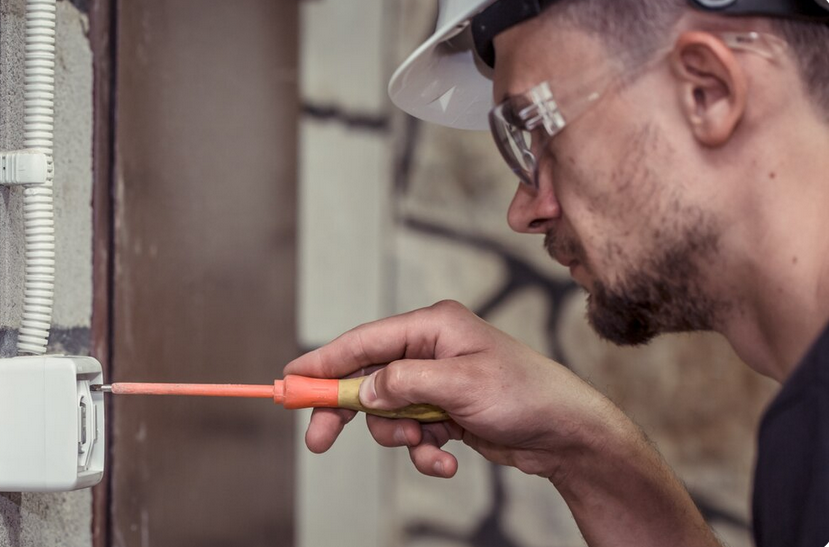
The inspection usually starts at the switchboard. This is mission control for your home’s power supply. Electricians examine circuit breakers for wear, overheating, or improper labeling. They look for outdated components like ceramic fuses. Old systems struggle with modern appliance loads. That mismatch increases fire risk. Loose wiring inside the panel is another red flag. Even small connection issues can generate heat. Heat plus dust equals trouble. Proper grounding is also verified. Grounding stabilizes electrical flow and reduces shock hazards. It’s basic, but critical. A good electrician explains findings clearly.

Inspecting Wiring and Connections

checking wires

Next comes the wiring. This step often involves checking accessible roof spaces or underfloor areas. Electricians scan for frayed insulation or exposed conductors. Damaged wiring can spark behind walls without warning. Rodents, moisture, and age all contribute to deterioration. That’s why routine checks matter. They also confirm that wiring matches current safety standards. Homes built decades ago may not support today’s power demands. Think air fryers, gaming rigs, and multiple air conditioners. Connections inside outlets and junction boxes are tightened if needed. A loose terminal might seem minor. It isn’t.

Testing Power Points and Light Fixtures

Now we move into everyday territory. Power outlets are tested for correct polarity and grounding. A small handheld tester can reveal hidden faults in seconds. Cracked or discolored sockets signal overheating. That’s a sign the circuit may be overloaded. It’s not something to ignore. Light fittings are examined for secure mounting and safe wiring. Ceiling fixtures, especially older ones, sometimes hide brittle cables. Replacing them prevents bigger headaches later. Switches are flipped repeatedly to check responsiveness. Sticky or delayed action could point to internal wear. Quick replacement keeps things smooth. This stage is hands-on and thorough. It’s about catching risks before they escalate.

Reviewing Safety Devices and Compliance

screwdriver

Safety switches, also known as RCDs, are tested. These devices cut power instantly during a fault. They can literally save lives. Smoke alarms connected to the electrical system are checked, too. Batteries alone aren’t enough in some setups. Integrated alarms add another layer of protection. Compliance with local electrical codes is verified. Regulations change over time. Your home should keep pace. At the end, you receive a report. It outlines issues, priorities, and suggested upgrades. Clear documentation helps you plan next steps.

Why This Inspection Actually Matters

Some homeowners delay inspections. They assume no visible problem means no issue. That assumption can backfire. Electrical faults are often silent and gradually build up risks. A professional inspection protects property value. Buyers often request proof of electrical safety before closing deals. Having a recent report strengthens your position. Most importantly, it protects people. Family, tenants, guests. Electricity is a brilliant servant …

Read More
Home

Vertical Outdoor Space Solutions for Homes With Limited Yard Space

Creating a comfortable outdoor area can feel challenging when your yard is small, but vertical solutions make it possible to build a space that feels open, lively, and surprisingly functional. Homeowners often overlook how much potential exists above ground level, yet these clever outdoor space solutions can transform even the tightest yards into inviting relaxation zones. These ideas help you add greenery, create privacy, and organize your layout without crowding the limited square footage available. By leaning into height, structure, and clever placement, your outdoor space can feel larger, more stylish, and far more practical without needing major renovations or extra land.

Vertical Garden Walls

Vertical garden walls are among the most effective ways to add greenery without claiming precious floor space. Living walls, mounted planters, and pocket systems let you grow herbs, flowers, and small vegetables on fences or exterior walls. This setup gives your yard a lush look while freeing the ground for seating or walkways. Once installed, a garden wall becomes a natural focal point and helps soften hard surfaces that might otherwise feel too plain or boxed in. These walls also improve air quality and bring natural texture to small yards, making them feel more welcoming. If you enjoy experimenting with different plant varieties, arranging them vertically makes rotation easy since each plant can be accessed without disturbing others. The added benefit is how these installations create the illusion of depth and height, helping a compact yard feel more expansive.

Raised and Tiered Planters

Raised planters are lifesavers for homeowners short on yard space because they let you stack growing areas in layers rather than spreading them across the ground. Tiered planters, shelves, and step-style units give each level its own sunlight, allowing more plants to thrive within a tight footprint. This method is perfect for vegetables and flowers that benefit from improved ventilation and drainage. Besides functionality, tiered designs help organize space visually. Instead of a flat patch that can feel cluttered, the yard gains a sense of structure and flow. The elevation makes plant care easier on your back while also protecting delicate varieties from pets. Whether you’re gardening for beauty or produce, tiered planters provide a practical and attractive solution that makes better use of vertical space.

Hanging Systems and Overhead Fixtures

hanging

Hanging planters and overhead racks make use of ceiling beams, pergolas, or sturdy hooks to maximize planting space. This technique works well for trailing plants, herbs, or compact flowers that love gentle airflow. By placing greenery above eye level, you free up the ground for other uses while still enjoying a visually rich space filled with color and movement. Overhead fixtures also help add shade and character to an outdoor setup. Even a simple row of hanging baskets creates a canopy effect that softens sunlight and frames the seating area below. This approach complements small patios, balconies, and narrow yards, bringing charm while giving you more control over layout. The versatility of overhead hanging makes it easy to swap out plants seasonally or adjust decor on a whim.

Vertical outdoor solutions make it possible to create beautiful, functional spaces even in homes with limited yards. By using garden walls, tiered planters, hanging systems, and multi-purpose structures, you transform tight areas into vibrant retreats that feel far more spacious than their square …

Read More
Home

Best Places to Build Prefab Homes for Modern Living

Prefab homes are redefining what it means to live comfortably in our rapidly changing world. They now offer flexibility, energy efficiency, and modern aesthetics all in one package. Choosing where to place one of these homes, however, involves a balance of climate, community infrastructure, and zoning regulations.  JOLIE often highlights locations that deliver on those fronts, areas where transportation, amenities, and environmental quality support more sustainable, convenient living. For those dreaming of modern prefab living, finding the right site can amplify the benefits and enhance daily life. With thoughtful selection, prefab homes not only become a lifestyle choice but a strategic investment in well-being and future-proof living.

Urban Infill Lots

vacant Cities are always short on space, but prefab homes excel in these tight environments. Compact modular designs can be dropped neatly into small infill lots without months of noisy construction. Since many sections are built off-site, urban builds often face fewer disruptions and can meet strict local building timelines. For professionals or young families who want to stay close to work and amenities, prefab homes offer a modern, space-savvy solution that makes the most of every square foot in crowded neighborhoods.



Suburban Communities

Suburbs remain a popular choice for homeowners seeking a balance between space and convenience. Prefab homes fit seamlessly into suburban neighborhoods, often blending modern architecture with family-friendly layouts. Large suburban plots provide room for multi-section modular builds, outdoor extensions, and energy-efficient landscaping. For families, this option delivers affordability, quick construction, and long-term comfort while keeping schools, shopping centers, and community hubs within easy reach.

Scenic Rural Locations

For those dreaming of a retreat surrounded by nature, prefab homes are a smart choice in rural areas. Their flexible designs allow for placement on uneven terrain, near lakes, or in forested settings. Many prefab models emphasize natural light and open layouts, complementing scenic surroundings perfectly. Since construction in remote areas can be challenging with traditional methods, prefab’s off-site building process reduces logistical headaches. The result is a dream home that maximizes both comfort and connection to the outdoors.

Coastal and Vacation Destinations

sea

Prefab homes are also making waves in coastal and vacation areas. Lightweight, sustainable materials combined with smart layouts make them ideal for beach houses, cabins, or second homes. Prefab construction reduces build time, meaning owners can enjoy their getaway spot sooner rather than later. Many designs also incorporate energy-saving features that keep maintenance low, which is particularly valuable for seasonal properties. Building prefab in these locations brings modern living to spaces meant for relaxation and escape.

The best places to build prefab homes depend on lifestyle goals. Urban infill lots maximize convenience, suburban neighborhoods offer space and family-friendly amenities, rural sites provide tranquility, and coastal destinations promise relaxation. Prefab homes adapt beautifully to all these environments thanks to their versatility, efficiency, and smart design. No matter the location, choosing prefab is about more than just building a house—it is about creating a modern living space that fits perfectly into its surroundings.…

Read More
Home

The Best Outdoor Furniture Materials for Long-Lasting Comfort

Choosing the best materials for outdoor furniture can make a significant difference in comfort, style, and durability. If you’re someone who values both appearance and practicality in your patio or garden, then it’s important to select options that stand strong against weather while still offering relaxation. Investing wisely allows you to transform your outdoor space with high-quality furniture that feels inviting all year long. This guide explores the best materials that deliver long-lasting comfort, helping you enjoy every moment outside.

Aluminum – Lightweight and Weather-Resistant

If you want furniture that’s easy to move around without sacrificing durability, aluminum is a solid choice. It doesn’t rust, even in humid or coastal environments, making it ideal for all types of outdoor settings. Powder-coated finishes puts an extra layer of protection and open the door to a wide range of colors and styles. Another advantage is how low-maintenance aluminum furniture can be—just wipe it clean and it’s ready for use. For comfort, choose pieces that come with padded or mesh seating to enhance the lounging experience.

Teak Wood – The Timeless Classic

teak Wood – The Timeless Classic

Teak has been a favorite for generations, and for good reason. Its natural oils act as a shield against moisture, pests, and decay. Unlike other wood that require constant maintenance, teak slowly develops a beautiful silver-gray patina as it ages. This weathered look is highly admired, but if you prefer its golden-brown tone, occasional sealing or oiling will help preserve it. Beyond its resilience, teak is remarkably comfortable for seating, especially when paired with soft cushions. While it can be more expensive upfront, the long lifespan of teak furniture makes it a smart investment.

Wrought Iron – Strength With Style

For those who love a traditional and elegant look, wrought iron furniture adds a bold presence to patios and gardens. Known for its weight and sturdiness, it can withstand strong winds that might send lighter furniture tumbling. Modern wrought iron is often finished with protective coatings to resist rust and weather damage. Because of its solid nature, this material is best complemented with thick cushions to soften the seating and provide the comfort you’ll appreciate during long evenings outdoors. Though it may require occasional repainting, its strength and character make it a reliable option.

All-Weather Wicker – Modern Comfort With a Natural Touch

outdoor

Wicker has always been associated with cozy outdoor lounging, but traditional wicker often struggled in harsh conditions. Today’s all-weather wicker, usually made from synthetic fibers like resin, overcomes that challenge while maintaining the same woven charm. It’s resistant to fading, moisture, and cracking, which means it can last for years without losing its appeal. This material pairs beautifully with plush cushions, giving you an inviting and comfortable space to relax. Its flexibility in design also allows it to blend seamlessly with modern or rustic styles, depending on your preferences.

Stainless Steel – Sleek and Long-Lasting

Stainless steel furniture offers a modern, sleek look while standing up to the toughest outdoor conditions. Its resistance to corrosion make it particularly suitable for areas exposed to rain or saltwater air. Unlike lighter materials, stainless steel has a substantial feel, giving it both stability and durability. Many designs are combined with wooden or fabric accents to enhance comfort and prevent the surface from feeling too cold. To protect its finish, manufacturers often …

Read More
Home

Reworking Your Space with a Corner Sofa That Actually Fits

Fitting a corner sofa into your living space is not that complicated once you’ve gotten the basic idea. Small rooms, oddly shaped nooks, even open-floor plans, all of them can work with a corner piece, if you play it right. If you’re feeling unsure about layout ideas, this corner sofa layout guide is worth a look for getting started without spinning in circles.

Break the Room Without Breaking It

sofa

Sometimes you need to define the living area in an open-concept space. That’s where the corner sofa does its magic. Place it with the back facing the kitchen or dining zone; it creates a “soft wall” without actual construction. Add a rug and coffee table to finish the space, and it feels like a zone of its own. If your room’s smaller, this trick still works. Just scale down your furniture. No one said you need a five-seater L-shape to make a point. A two-piece corner unit with slim arms works wonders.

Make the Most of Awkward Angles

Got a weird bump-out in your wall or a chimney that eats half the space? Slide the corner of the sofa into that zone instead of fighting it. Think of it like a puzzle piece; it’s not about forcing the sofa into the room, it’s about letting it nestle in. If you’ve got windows you don’t want to block, push the low side of the sofa beneath them. It still gives you seating without blocking all your daylight. Not every wall needs to be used. Let the room breathe.

Add Balance Without Being Symmetrical

sofa

Your sofa doesn’t have to sit like a perfectly folded towel. Some of the best layouts are a little off-kilter. Try putting the longer end along one wall, then letting the shorter side float freely with an end table or lamp behind it. Pair the corner sofa with a chair that doesn’t match. Seriously. Break the furniture set rule. It keeps the room interesting and adds variety without much effort. Balance comes from visual weight, not strict symmetry.

Get Creative with Storage

A corner sofa with storage under the seats? That’s like finding a secret snack drawer under your bed, unexpected and very welcome. For small spaces, this kind of sofa earns its keep. Throw in blankets, board games, even that cable mess you pretend you’ve dealt with. If storage isn’t built in, fake it. Use baskets behind the backrest or tuck boxes under the chaise. No one’s checking your sofa’s undercarriage. Make the space work for you.

Style Isn’t a Science Experiment

No one’s handing out gold stars for matching everything. Pick a color you actually like, not what Instagram says is trending. You want warm and lived-in, not sterile and showroom-ready. Add throws, play with textures, and don’t be afraid to swap things around. A corner sofa is meant to invite you in. It should feel like the place you crash after work, binge your shows, or host game night. Function first, style second, but don’t forget to make it fun.

Corner sofas don’t need to be complicated. The best layout is the one that lets you sit comfortably without knocking over a lamp or blocking a door. Measure, trust your gut, and don’t let perfection slow you down. And if you’re stuck, go back to that …

Read More
Home

Sun, Rain, and Rot: What Every Homeowner Needs to Know About Shed, Deck, and Fence Protection

Your outdoor structures—like sheds, decks, and fences—put up with a lot. From blazing sun and heavy rain to freezing snow and strong winds, the elements are always working against them. Over time, this exposure can cause serious wear and tear, leading to rot, fading, and even structural damage. The good news? With the right maintenance and a little bit of seasonal effort, you can keep these outdoor essentials looking great and standing strong for years. If you’re wondering where to start, this guide breaks it all down for you in simple, no-fuss terms.

Understanding the Elements: Your First Line of Defence

Before you can properly protect your outdoor structures, it helps to understand what you’re up against. Sunlight can dry out and bleach wood, leading to fading and cracks. Rain and snow introduce moisture, which can seep in and cause rot or mold. And then there’s the freeze-thaw cycle—when water gets into tiny cracks and expands in cold weather, making the damage even worse. That’s why it’s so important to know how to protect your shed, fence, and deck before the damage starts. Using sealants, stains, or weatherproof paint is one way to defend against water and UV damage. Regular checks for peeling, chipping, or soft spots can also catch problems early before they turn into expensive repairs.

Regular Cleaning Prevents Long-Term Damage

It might not sound glamorous, but simple cleaning is a big part of keeping outdoor structures in good shape. Dirt and debris trap moisture, which can accelerate rot. Leaves left piled against a shed or fence can lead to mildew, while mold on your deck can make it slippery and unsafe. A quick scrub with soapy water or a blast from the pressure washer every season can make a big difference. This is also the perfect time to inspect for signs of trouble—like loose boards, rusted nails, or warped planks—so you can fix them before they get worse.

Seal, Stain, or Paint: Choose the Right Protection

Seal, Stain, or Paint

When it comes to shielding wood from the elements, your best tools are stains, sealants, and paints. Each option has its benefits, depending on the look you’re going for and how much protection you need. A good water-repellent sealant can keep moisture out while showing off the natural grain of your wood. Stains add color and protection in one go, while paint offers the most coverage but may need more frequent upkeep. The key is to apply your chosen finish on a dry, clean surface and reapply it every couple of years—or sooner if you notice signs of wear.

Don’t Forget Hardware and Structural Support

It’s easy to focus on the wood itself, but the hardware and foundation of your shed, deck, or fence matter just as much. Rusted nails, loose screws, or corroded brackets can weaken the entire structure over time. Make it a habit to tighten bolts, replace damaged fasteners, and check for signs of shifting or settling—especially after a tough season of storms or snow. Taking care of the little things helps the big things last longer.

Your shed, deck, and fence work hard to make your outdoor space functional and beautiful—but they can’t take care of themselves. A little attention goes a long way when it comes to defending them from the effects of sun, rain, and …

Read More
Home

Mastering HVAC Maintenance: Easy Strategies for Homeowners

Are you tired of sweating through summer or shivering in winter because your HVAC system won’t cooperate? You’re not alone. Many homeowners feel overwhelmed by the thought of maintaining their heating and cooling systems, but guess what? It doesn’t have to be complicated! In our latest blog post, “Mastering HVAC Maintenance: Easy Strategies for the Everyday Homeowner,” we’ll break down simple yet effective tips to keep your home comfortable year-round. Whether you’re a seasoned DIYer or a complete novice, these easy-to-follow strategies will empower you to take control of your indoor climate—and save money on those energy bills while at it.

Change the Air Filter Regularly

Changing the air filter is one of the most straightforward and crucial HVAC maintenance tasks. Over time, the filter traps dust, dirt, and debris, reducing airflow and making your system work harder. A clogged filter can cause your HVAC system to run inefficiently, leading to higher energy bills and even potential system failure. How often should you change it? It depends on the type of filter and your usage, but a good rule of thumb is every 1 to 3 months. If you have pets or live in a dusty area, you may need to replace the filter more frequently. It’s a quick and inexpensive fix that can significantly affect your HVAC system’s performance. Boosting Your HVAC Companies Online Presence may become hard when more homeowners realize the importance of this simple task.

Keep the Vents and Ducts Clean

Another key step in HVAC maintenance is ensuring clear vents and ducts. Dust, debris, and pet hair can accumulate over time and block airflow, which reduces your system’s efficiency. Start by vacuuming the vents regularly to remove visible dirt, and consider scheduling a professional duct cleaning every few years to ensure everything is running smoothly. Don’t forget to check that nothing is blocking the vents. Furniture, rugs, and other objects can obstruct airflow, which forces your HVAC system to work harder and can lead to uneven heating or cooling. Keeping the vents clear ensures optimal airflow and system efficiency.

Schedule Regular Professional Inspections

Schedule Regular Professional Inspections

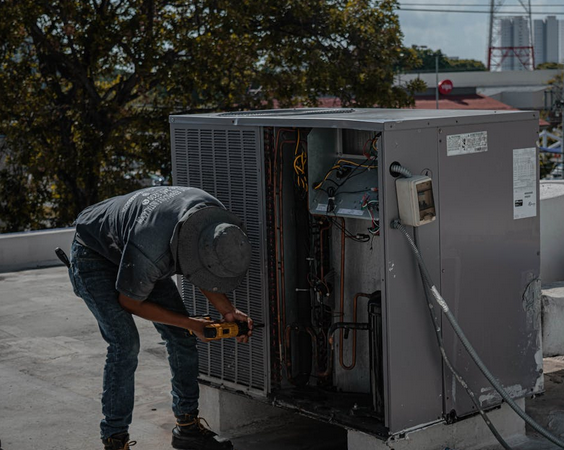
While you can do plenty of things on your own, scheduling a professional inspection once a year is an essential part of HVAC maintenance. A technician can check for any issues that may not be visible to the untrained eye, such as refrigerant leaks, electrical problems, or wear and tear on key components. It’s best to schedule the inspection before the peak seasons—spring for cooling and fall for heating—to avoid breakdowns when you need your system the most. A technician will clean and calibrate your system, check for any potential issues, and ensure everything works as it should.

Keep the Outdoor Unit Clean

If you have an outdoor unit for your HVAC system, keeping it clean and debris-free is essential. Leaves, grass, and dirt can clog up the unit, making it less efficient. Simply trim back any nearby shrubs or plants to ensure proper airflow around the unit. Additionally, regularly clean the area around the outdoor unit to prevent debris from entering. Once a year, check the fins and coils on the outdoor unit to ensure they’re not clogged with dirt or debris. If you notice any issues, it’s a good idea to call a professional to clean the unit and inspect …

Read More
Home

Creating a Dreamy Retreat: Essential Bedroom Design Tips to Enhance Sleep Quality

A bedroom is more than just a place to sleep; it’s a sanctuary that influences our well-being and restfulness. The design and ambience of this space can significantly impact the quality of our sleep. Creating a dreamy retreat in your bedroom involves carefully considering various elements that foster relaxation and comfort. Whether you’re redesigning your current space or setting up a new one, these essential bedroom design tips will help enhance your sleep quality, ensuring you wake up refreshed and rejuvenated. For creative ideas on how to transform unused cellar and basement spaces, check out this insightful article from westfälische nachrichten

Prioritize the Bed and Bedding

Bed The bed is the focal point of any bedroom, making it the most critical element to consider when designing a sleep-friendly space. Invest in a high-quality mattress that suits your comfort needs, as a good mattress can alleviate body aches and provide the support necessary for a restful night’s sleep. Additionally, choose bedding that is soft, breathable, and comfortable. Natural fabrics like cotton or linen are excellent choices as they allow your skin to breathe and help regulate body temperature.

Use Calming Colors

Color psychology plays a significant role in setting the mood of a room. For a serene and peaceful bedroom, opt for a color palette with soft, muted tones. Shades of blue, green, lavender, and beige are known for calming properties and can help lower stress levels. These colours create a tranquil environment that encourages relaxation and sleep. Avoid overly bright or bold colours like red or orange, which can be too stimulating and make it harder to unwind.

Control Lighting Effectively

Lighting is a crucial element in creating a bedroom conducive to sleep. During the day, allow natural light to enter the room to create a cheerful and inviting atmosphere. However, as bedtime approaches, minimising exposure to bright lights is essential. Install dimmable lights or use lamps with warm, soft bulbs to create a cosy, subdued environment. Blackout curtains or shades can also be invaluable in blocking out external light, ensuring that your room remains dark and conducive to sleep, even if you live in a well-lit area.

Eliminate Clutter

A cluttered bedroom can lead to a cluttered mind, making relaxing challenging. Keep your bedroom tidy and organized by finding a place for everything. Use storage solutions such as under-bed storage boxes, shelves, or closets to keep items out of sight. A minimalistic approach, with only essential and meaningful items in the room, helps create a sense of calm and order. A clean, clutter-free environment contributes to a more peaceful ambience, vital for falling and staying asleep.

Incorporate Soothing Scents and Sounds

bedroomThe senses play a crucial role in sleep quality. Incorporating soothing scents like lavender, chamomile, or sandalwood through candles, essential oil diffusers, or pillow sprays can promote relaxation. These aromas have been shown to reduce stress and anxiety, creating a calming effect that prepares the body for sleep. Additionally, consider using a white noise machine or a fan to create a gentle hum that can drown out disruptive noises and provide a consistent sound environment, helping you drift off more easily.



Creating a dreamy bedroom retreat is about more than just aesthetics; it’s about designing a space that nurtures relaxation and enhances sleep quality. You can transform your bedroom …

Read More
Home

Breathe Easy: Expert Tips for Improving Indoor Air Quality in Your Home  

Welcome to a breath of fresh air. Your home should be a sanctuary, but did you know that indoor air can be up to five times more polluted than outdoor air? Don’t worry, though – we’ve got you covered with some expert tips to help you improve the air quality in your living space. So, sit back, relax, and get ready to breathe easy with these simple yet effective solutions.

Control Humidity

Is humidity making you feel uncomfortable in your own home? Controlling the moisture levels is critical to improving indoor air quality. High humidity can lead to mold growth and dust mites, while low humidity can cause dry skin and respiratory issues. Investing in a dehumidifier or humidifier can help regulate humidity levels, keeping them within the ideal range of 30-50%. Some people with allergies have found ways to fix their seasonal allergies with a specific humidifier. If you wish to learn more of how humidifiers can help alleviate allergies, visit https://www.primarygoods.com/post/my-vitruvi-humidifier-fixes-my-seasonal-allergies-and-looks-good-doing-it.

Limit Chemicals

chemicals

Creating a healthier indoor environment involves more than just cleaning the air. Limiting the use of chemicals in your home can significantly improve air quality. Household cleaners, personal care products, and furniture are known to release harmful volatile organic compounds (VOCs) into the air. Opt for natural cleaning alternatives like vinegar, baking soda, or lemon juice to reduce exposure to harsh chemicals. When purchasing new furniture or flooring, look for options that are labeled as low-VOC or VOC-free to minimize off-gassing. Consider using houseplants known for their air-purifying properties, such as snake plants, spider plants, or peace lilies, to naturally filter out toxins in the air. Be mindful of scented candles and air fresheners which often contain synthetic fragrances that can contribute to indoor pollution.

Keep Out Pollutants

When improving indoor air quality, keeping pollutants out is critical. One way to do this is by regularly cleaning and replacing air filters in your HVAC system. These filters help trap dust, pollen, and other particles that can circulate in the air. Another tip is to avoid smoking indoors. Cigarette smoke is known to contain harmful chemicals that can linger in the air long after you finish smoking. By creating a designated outdoor smoking area, you can prevent these pollutants from infiltrating your home. Investing in houseplants can also help purify the air by absorbing toxins and releasing oxygen.

Maintain HVAC Regularly

filter

Regular HVAC maintenance is crucial for keeping the air quality in your home at its best. By scheduling routine inspections and servicing for your heating, ventilation, and air conditioning systems, you can ensure they run efficiently and effectively. HVAC maintenance includes changing filters, cleaning ducts, and checking for leaks or malfunctions. These actions not only improve the performance of your system but also help prevent the circulation of pollutants and allergens throughout your indoor space. Neglecting regular HVAC maintenance can lead to a buildup of dust, mold, or other harmful particles in the air. This can exacerbate allergies or respiratory issues for you and your family members.

Creating a healthy indoor environment is essential for your well-being and your loved ones. By following these expert tips to improve the air quality in your home, you can breathe easy knowing you are taking proactive steps to ensure a clean and fresh living space. Remember to …

Read More
Home

Reasons to Consult an Expert When Choosing Between Architect and Prefabricated Houses

Choosing between an architect-designed house and a prefabricated house is a significant decision that will impact your lifestyle and investment. As explained on https://www.pnp.de/ratgeber/magazin/fertighaus-vs-architektenhaus, both options have their unique advantages and considerations, making it essential to seek expert guidance to ensure the best outcome. In this article, we will explore the reasons why consulting an expert is crucial when deciding between architect-designed and prefabricated houses.

Design and Customization

Architect-designed houses offer unparalleled design flexibility and customization options. Architects are trained professionals who can translate your vision and requirements into a unique and personalized design. Their expertise ensures that the design integrates functionality, aesthetics, sustainability, and future growth. If you value having a one-of-a-kind home that perfectly suits your tastes, an architect-designed house is likely the better option.

Needs and Preferences

Consulting an expert, such as an architect or a housing specialist, allows you to gain a comprehensive understanding of your needs and preferences. They can assess your lifestyle, family requirements, budget, and desired aesthetics to guide you in making an informed choice. An expert can help you identify the key features and characteristics that will contribute to your long-term satisfaction in a home.

Efficiency and Cost Considerations

Prefabricated houses, on the other hand, are known for their efficiency and cost-effectiveness. By consulting an expert, you can evaluate the financial implications of both options, considering factors such as construction costs, ongoing maintenance, energy efficiency, and long-term value. Experts can help you understand the trade-offs between upfront expenses and long-term savings, offering valuable insights into the financial feasibility of each choice.

Construction and Project Management

Both architect-designed and prefabricated houses require skilled project management to ensure smooth execution. Architects have experience coordinating various contractors and ensuring that the construction process adheres to local regulations and building codes. Alternatively, prefabricated homes often come with pre-determined construction timelines and streamlined processes, which may require less oversight. An expert can guide you through the complexities of either option, ensuring that your project stays on track and is completed successfully.

Future Resale Value

Consulting an expert can also shed light on the potential resale value of architect-designed and prefabricated houses. They can provide insights into market trends, buyer preferences, and the impact of various design features on property value. Understanding the market dynamics will enable you to make a more informed decision that aligns with your long-term financial goals.

Choosing between an architect-designed house and a prefabricated house requires careful consideration of various factors such as design, customization, efficiency, cost, construction, and resale value. Consulting an expert, whether an architect or a housing specialist, will provide you with invaluable guidance throughout the decision-making process. They will help you navigate the complexities and trade-offs associated with each option, ensuring that you make an informed choice that aligns with your needs, preferences, and budget. Ultimately, seeking expert advice will enhance your confidence in your chosen housing option and increase the likelihood of a successful outcome.…

Read More
Home

Roof Resilience: Understanding Tech Trends in Advanced Inspection Methods

In the face of great climate change, global boiling, and extreme weather events, ensuring the durability and integrity of roofs is crucial for homeowners and building owners alike. Fortunately, advancements in technology have revolutionized roof inspections, making them more accurate, efficient, and cost-effective. Today, you’ll get insights into some of the cutting-edge tech trends that are transforming the way roofs are inspected. From drone technology to AI analysis, these innovations are paving the way for safer homes and stronger buildings.

AI Analysis

With the advancement of AI technology, roof inspections have become more efficient and accurate than ever before. AI analysis involves using machine learning algorithms to analyze data collected during a roof inspection. That’s how the mn roofing company and hail storm repair always ensure the best service for their clients. By analyzing images and data captured by drones or other advanced technologies, AI can identify potential issues with roofs, such as cracks, leaks, or structural damage.

It can also detect patterns that may indicate underlying problems. This allows inspectors to quickly assess the condition of a roof without having to physically inspect every inch. One of the key benefits of AI analysis in roof inspections is its ability to process large amounts of data in a short period. This means that multiple roofs can be inspected simultaneously, saving both time and resources. Additionally, AI algorithms are constantly learning and improving their accuracy over time.

flying

Drone Technology

Drone technology has taken the world by storm, quite literally. These unmanned aerial vehicles have rapidly become a game-changer in various industries, including roof inspections. Equipped with high-resolution cameras and advanced sensors, drones can effortlessly navigate even the trickiest terrains to capture detailed imagery of roofs from every angle. Drones offer a safer alternative that not only reduces human risk but also provides more accurate data for analysis.

With their ability to fly at different altitudes and speeds, drones help identify potential issues such as cracks, leaks, or loose shingles that might otherwise go unnoticed. Moreover, drones allow for better documentation and record-keeping of inspection findings. The captured images serve as visual evidence of any existing damages or areas requiring maintenance. This helps homeowners and building owners make informed decisions about repairs or replacements without relying solely on verbal descriptions.

Thermal Imaging

Thermal imaging is a cutting-edge technology that has revolutionized the way we inspect and assess roofs. By using specialized cameras, thermal imaging can detect temperature variations on the surface of a roof, which can indicate areas of moisture intrusion or insulation deficiencies. With this tech, roof inspectors can identify hidden issues that may not be easily visible to human’s naked eye. It allows inspectors to quickly pinpoint problem areas without causing any damage to the roof itself.

This non-destructive testing method not only saves time but also reduces costs associated with repairs and replacements. With its high level of accuracy, thermal imaging provides valuable insights into potential energy loss and efficiency problems within a building’s envelope. By identifying areas where heat is escaping or infiltrating, property owners can take proactive measures to improve insulation and reduce energy consumption, ultimately leading to cost savings in the long run.

Final Notes: Do These Tech Integrations Increase the Roof Inspection Costs?

As we have explored the various tech trends in advanced roof …

Read More
Real Estate

Blunders to Avoid When Buying a House in a Different Nation

Buying a house is a significant step in anyone’s life, and when that decision involves purchasing property in a different nation, the stakes become even higher. So, can a US citizen buy property in Costa Rica? Yes, the allure of living in a different country can be exciting, but it’s important to approach the process with caution. In this article, we will explore some common blunders to avoid when buying a house in a different nation, helping you make an informed and successful investment.

Not Conducting Research

One of the biggest mistakes people make when buying property abroad is failing to conduct thorough research. Understanding the local real estate market, legal processes, and cultural norms is crucial. Researching the areas, property values, neighborhood dynamics, and legal procedures will aid in making an informed decision and detour any unpleasant surprises down the road.

Relying Solely on Online Listings

listing

While online listings provide a convenient starting point, relying solely on them can be misleading. They often lack crucial information about the property, neighborhood, or local market conditions. It is essential to visit the location in person, explore various properties, and get a feel for the local environment before making a final decision.

Ignoring Local Laws and Regulations

Each country has its own set of laws, regulations, and taxes surrounding property ownership. Failing to familiarize oneself with these can lead to legal and financial complications. Engage the services of a local attorney who is an expert in real estate transactions to ensure compliance with all legal requirements and to safeguard your interests.

Overlooking Hidden Costs

Purchasing a property comes with various costs beyond the purchase price itself. These can include taxes, fees, renovation costs, maintenance charges, and ongoing expenses. Failing to factor in these hidden costs can disrupt your budget and financial plans. Consulting with professionals and getting a clear breakdown of all expenses involved will help you make an accurate assessment of the total investment required.

Forgoing Professional Assistance

assistance

Navigating the real estate sector in a foreign nation can be challenging, so it’s important to seek professional assistance. Find a reputable local real estate agent who knows the area well and can guide you through the buying process. A knowledgeable agent will help negotiate on your behalf, protect your interests, and ensure a smooth transaction.

Ignoring Language and Cultures

Language and cultural differences can pose challenges when buying property in a different nation. Miscommunication can lead to misunderstandings and costly errors. Overcome this by engaging an interpreter or translator if necessary. Taking the time to understand local customs and norms can also help build rapport with sellers, agents, and other professionals involved in the purchase.

Buying a house in a different nation can be an exciting adventure, but it’s essential to avoid common pitfalls. Thorough research, understanding local laws, visiting properties in person, considering hidden costs, seeking professional assistance, and bridging language and cultural barriers are critical steps to ensure a successful purchase. With careful planning and attention to detail, international real estate investment can become a rewarding and fulfilling experience.…

Read More
Home

How to Select the Perfect Smart Bulbs for Your Outdoor Lighting Setup

Selecting the perfect smart bulbs for your outdoor lighting setup can greatly enhance the functionality, convenience, and aesthetic appeal of your outdoor space. With a wide range of options available, it is essential to consider several factors to ensure you choose the right bulbs for your Smart Outdoor Lighting. In this article, we will discuss four key factors to consider when selecting smart bulbs for your outdoor lighting setup.

Compatibility

light Compatibility is a crucial factor when selecting smart bulbs for your outdoor lighting setup. Ensure that the smart bulbs you choose are compatible with your existing smart home ecosystem or the specific smart hub you plan to use. Whether it’s Wi-Fi, Zigbee, or Z-Wave, understanding the compatibility requirements allows you to integrate the smart bulbs into your outdoor lighting system seamlessly. Consider the brand reputation, app compatibility, and ease of integration with other smart devices to create a cohesive and efficient smart home experience.

Durability and Weather Resistance

Outdoor lighting is exposed to various weather conditions, making durability and weather resistance critical factors. Look for smart bulbs that are specifically designed for outdoor use and have high IP (Ingress Protection) ratings. Higher IP ratings indicate better protection against dust, water, and other environmental factors. Opt for smart bulbs made from durable materials like aluminum or polycarbonate, capable of withstanding extreme temperatures, humidity, and UV exposure. This ensures the longevity and reliability of your outdoor lighting setup.

Lighting Features and Customization

lining Consider the lighting features and customization options offered by the smart bulbs. Look for bulbs that provide a wide range of color temperature and brightness control to create different atmospheres and moods in your outdoor space. Dimmable smart bulbs offer flexibility and allow you to adjust the intensity of the light as needed. Additionally, explore smart bulbs that offer scheduling, motion detection, or other automated features to enhance convenience and energy efficiency.



Energy Efficiency

An important factor to consider when selecting smart bulbs for your outdoor lighting setup is their energy efficiency. Look for bulbs with high energy efficiency ratings, such as LED or CFL bulbs, which consume less power while providing bright and vibrant illumination. Smart bulbs that support energy monitoring and provide usage data can help you track and optimize your energy consumption. This not only saves money on electricity bills but also contributes to a more sustainable and environmentally-friendly outdoor lighting system.

By understanding these factors and evaluating your specific requirements, you can choose smart bulbs that seamlessly integrate into your smart home ecosystem, withstand outdoor conditions, provide versatile lighting options, and optimize energy consumption.…

Read More
Home

Benefits of Hiring Construction Consultants for Your Project

Are you embarking on a construction project and feeling overwhelmed by the countless decisions and complex processes involved? Look no further. In today’s fast-paced world, hiring construction consultants has become essential for ensuring your project’s success. Hausbauberater experts bring a wealth of knowledge, experience, and fresh perspectives to the table, helping you navigate through challenges with ease while maximizing efficiency and minimizing costs. Join us as we explore the exciting benefits that construction consultants can offer, leaving no stone unturned in transforming your vision into reality.

Expertise in Project Management

One of the primary reasons individuals and businesses turn to construction consultants is for their expertise in project management. These professionals bring a wealth of knowledge in planning, scheduling, and overseeing construction projects. Their skills ensure that the project is executed efficiently, on time, and within budget, minimizing the risk of costly delays and overruns.

calculate

Cost Estimation and Budgeting

Accurate cost estimation is fundamental to the success of any construction project. Construction consultants have the expertise to provide detailed and precise cost estimates, taking into account various factors such as materials, labor, permits, and unforeseen contingencies. This meticulous budgeting helps clients plan and allocate resources effectively.

Risk Assessment and Mitigation

Construction projects inherently involve risks, ranging from unforeseen site conditions to regulatory changes. Construction consultants conduct thorough risk assessments, identifying potential challenges and developing strategies to mitigate them. Their proactive approach helps clients navigate uncertainties and minimize the impact of unforeseen events.

quality

Quality Control and Assurance

Ensuring the quality of construction work is paramount to the long-term durability and safety of a structure. Construction consultants implement rigorous quality control measures, conducting inspections at various stages of the project. This commitment to quality assurance helps identify and rectify issues before they escalate, guaranteeing a high standard of craftsmanship.

Regulatory Compliance and Permitting

Navigating the complex landscape of building regulations and obtaining the necessary permits can be a daunting task. Construction consultants are well-versed in local building codes and regulations. They guide clients through the permitting process, ensuring that all necessary approvals are obtained and the project complies with legal requirements.

Optimizing Project Efficiency

Efficiency in construction is not just about speed; it’s about achieving the best results with the least amount of resources. Construction consultants analyze project workflows, identify bottlenecks, and propose strategies for optimizing efficiency. This includes streamlining processes, coordinating tasks, and enhancing collaboration among project stakeholders.

Contract Negotiation and Management

Construction contracts can be complex documents with legal and financial implications. Construction consultants assist clients in negotiating favorable terms, ensuring that contracts are fair, transparent, and aligned with the client’s objectives. Throughout the project, they also manage contractual relationships, addressing any disputes or issues that may arise.

The decision to hire a construction consultant is grounded in the recognition of the multifaceted challenges inherent in construction projects. From expert project management to navigating regulatory complexities, construction consultants bring a wealth of knowledge and skills to the table. Their role is not just about problem-solving; it’s about proactive planning, risk mitigation, and optimizing the entire construction process. By engaging construction consultants, individuals and businesses ensure that their projects are not only completed successfully but also exceed expectations in terms of quality, efficiency, and compliance.…

Read More
Home

4 Things to Avoid When Building a House

Welcome to our blog post on “Things to Avoid When Building a House.” Whether you’re embarking on your dream home construction or adding an extension, it’s important to be aware of potential pitfalls along the way. Building a house is an exciting and fulfilling endeavor, but overlooking key considerations can lead to costly mistakes and regrets down the line. In this article, we’ll explore some common missteps homeowners should avoid when building their perfect abode. So, let’s dive in and ensure your construction journey is smooth sailing from start to finish.

Neglecting Energy Efficiency

When it comes to building a house, one aspect that should never be overlooked is energy efficiency. As explained here at immoportal.com, neglecting this crucial consideration can have long-term consequences for both the environment and your wallet. Failing to prioritize energy efficiency means missing out on potential cost savings through reduced utility bills. A poorly insulated home or inefficient heating and cooling systems will result in wasted energy and higher monthly expenses. By investing in modern insulation materials, high-quality windows, and energy-efficient appliances, you can significantly decrease your household’s energy consumption.

Planning and Designing Poorly

plan

Poor planning and design can lead to many problems when it comes to building a house. One of the biggest mistakes people make is to take the time to consider their needs and wants for their home. This process can result in a layout that doesn’t flow well or meet your family’s specific needs. Another common error in planning and design is failing to account for future growth or changes. It’s important to think ahead and anticipate any potential additions or modifications that may be needed. This will save you from having to undergo costly renovations later on.

Ignoring the Importance of Permits and Regulations

When it comes to building a house, many factors need to be considered. One crucial aspect that should never be overlooked is obtaining the necessary permits and adhering to regulations. Why are permits and regulations so important? Well, they exist for a reason – to ensure the safety and compliance of your construction project. Without proper permits, you may face legal consequences or even have your project shut down. Obtaining permits can be time-consuming and tedious, but it’s an essential step in the building process.

Regulations also play a vital role in ensuring your house meets certain standards. Building codes vary by location and cover areas such as structural integrity, electrical wiring, plumbing systems, fire safety measures, etc. By ignoring permits and regulations during construction, you risk compromising the quality of your house and its value. Additionally, violations can result in fines or require costly modifications later. To avoid these issues altogether, consult with professionals who understand local building codes inside out. They can guide you through the permit application process while ensuring everything is up to standard.

Choosing the Wrong Builder or Contractor

builders

Choosing the wrong builder or contractor can have detrimental effects on your house-building project. It’s essential to do thorough research and consider multiple options before making a decision. One of the biggest mistakes people make is solely focusing on cost when choosing a builder or contractor. While budget is important, it shouldn’t be the sole determining factor. Quality workmanship, reputation, and experience should also be taken into consideration. Another mistake is …

Read More
Uncategorized

Concrete Patio Makeover Ideas That Will Wow Your Guests

You’re in for a treat if you want to transform your dull and boring concrete patio into a stunning outdoor space that will leave your guests in awe. First off, you need to hire Concrete Driveways Nelson as your concrete contractor to execute every dream you’ve had in mind for your concrete patio makeover. But that’s not enough. Here we explore some of the most incredible makeover ideas for your concrete patio that are sure to impress.

Lay Decking Flooring

Decking flooring is a fantastic option for those looking to add warmth and charm to their concrete patio. By laying wooden planks over the existing surface, you can transform your outdoor space into a cozy retreat in no time.

In addition to its visual appeal, decking also provides practical benefits. It creates a comfortable walking surface that is gentle on bare feet and reduces the risk of slipping when wet. Plus, it sets up an extra layer of insulation, making it ideal for cooler climates where you want to enjoy your outdoor area year-round.

Patterned Concrete Flooring

If you’re looking for a way to give your concrete patio a unique and eye-catching look, patterned concrete flooring is the perfect solution. With endless design options, this type of flooring can magically turn your outdoor space into a stylish oasis. Stamped concrete is a popular patterned concrete flooring to choose from.

This technique involves pressing patterns or textures into freshly poured concrete to create the appearance of stone, brick, or other materials. The result is a stunning surface that adds depth and character to any patio. Whether you prefer geometric shapes, floral motifs, or something more abstract, patterned concrete flooring offers endless possibilities for creativity.

Concrete Slab

concrete

This sleek and modern option will instantly give your outdoor space an updated look. A concrete slab can be poured directly onto your existing patio, creating a clean and seamless surface. It provides a smooth foundation for furniture, grills, and other outdoor amenities.

Stamped patterns can mimic the appearance of natural stone or brick, while stains can add vibrant colors or create a weathered effect. Additionally, you have the option to incorporate decorative elements into the design. For example, you could include embedded pebbles or glass chips for added visual interest.

Floating Pavers

If you’re looking for a simple yet stunning way to upgrade your concrete patio, floating pavers might just be the solution you’ve been searching for. This innovative technique involves installing individual pavers on top of the existing concrete surface, creating a visually appealing and durable outdoor space. Whether you prefer a classic herringbone pattern or a contemporary geometric layout, the possibilities are endless with floating pavers. Not only do floating pavers enhance the aesthetic appeal of your patio, but they also provide practical advantages. The elevated installation creates an air gap between the paver and concrete base, allowing for better water drainage during rainy seasons.

Transforming your concrete patio into a stunning outdoor space doesn’t have to be a daunting task. With these concrete patio makeover ideas, you can create an inviting and stylish area that will wow your guests. Hope these ideas help you unleash your best creativity.…

Read More
Home

Ways to Increase the Potency of Your Cannabis Buds

If you’re looking to get the most out of your cannabis, you need to know how to increase potency. There are many ways to do this, and some methods are more effective than others. In this blog post, we will discuss ways to boost the potency of your cannabis buds!

Ensure Optimum Led Lighting Levels

One way to increase your buds’ potency is to ensure that your LED lighting levels are at the optimum level for plants. When it comes to light, more isn’t always better – too much light can cause stress on the plant and decrease bud quality. Ensure you’re providing your plants with enough light but not too much to get maximum potency out of your buds.

weeds

Monitor Temperature and Humidity Levels

Another way to increase the potency of your buds is to keep an eye on the temperature and humidity levels in the growing environment. Cannabis needs specific conditions to thrive, so ensure you’re keeping a close eye on the temperature and humidity levels. Too much heat or too little moisture can decrease your buds’ potency.

Choose Cannabis Seeds With Highest THC Potential

Another way to increase the potency of your buds is to choose cannabis seeds with the highest THC potential. There are many different types of cannabis seeds available, and some are more potent than others. Make sure you research and choose the source with the best chance of producing potent buds.

In addition, flushing your plants is a great way to increase potency. Flushing removes any excess nutrients that may have built up in the soil and can help increase your buds’ THC content. Ensure you’re flushing your plants for at least two weeks before harvesting for the best results.

Prune Plants Correctly

plantPruning is an essential part of cannabis cultivation – it encourages new growth and helps to keep the plant healthy. Pruning your plants correctly can also help increase the potency of your buds. Ensure you’re pruning at the right time, and don’t over-prune – this could weaken the plant and decrease bud quality. Increasing the potency of your buds doesn’t have to be complicated – just follow these seven tips, and you’ll be on your way to a more potent crop! Ensure you’re providing your plants with optimum lighting, monitoring temperature, and humidity levels, choosing seeds with high THC potential, pruning correctly, flushing before harvesting, and curing properly. With these tips, you’ll be sure to get the most out of your cannabis buds.…


Read More
Home

The Factors You Must Consider When Choosing a Water Softener for Your Home

When it comes to water softeners, you have to consider many factors before making a purchase. Not all water softeners are created equal, and what might be the best option for one home might not be the best option for another. In this blog post, we will discuss how to choose a water softener by looking at different factors. Read on to learn more.

Choose the Right Size

softenerThe size is one of the most critical factors you must consider when choosing a water softener. If you get a water softener that’s too small, it won’t be able to soften all the water in your home effectively. On the other hand, getting one that’s too big will waste a lot of salt and water. To figure out what size water softener you need, you have to calculate the hardness of your water and the number of gallons your family uses daily. Once you have that information, you can consult a sizing chart to find a suitable unit for your home.

Establish the Type of Softener

Another factor you have to consider is the type of water softener. There are two main types of water softeners: ion exchange and salt-free. Ion exchange is the most common type of water softener. It works by exchanging the hard minerals in your water for sodium ions. This softener is very effective, but it requires you to use salt to regenerate the system.

Salt-free water softeners work similarly, but they don’t use salt to regenerate. Instead, they use a process called template-assisted crystallization. This softener is better for people with high blood pressure or who are on a low-sodium diet.

Consider Your Budget

softOf course, your budget is also a factor you have to consider when choosing a water softener. Water softeners can range in price from a few hundred dollars to a few thousand. If you’re on a tight budget, you might want to consider an ion exchange water softener. This is because they’re generally the most affordable option. If you have a little more money, you might want to consider a salt-free water softener.
There are many factors you must consider when choosing a water softener for your home. By taking the time to consider each element, you can be sure you’re selecting the best possible option for your needs. Thanks for reading. We hope this blog post was helpful. What other questions do you have about water softeners? Let us know in the comments below.…

Read More
Home

The Top Reasons Hardwood Flooring Is a Great Choice for Your Home

When it comes time to renovate or remodel your home, there are many choices to make. One of the most important decisions is what type of flooring to install. Many people are choosing hardwood flooring these days and for a good reason. In this blog post, we will discuss the top reasons to visit https://bestflooringco.com for hardwood flooring.

They Wear Well

hard woodsHardwood floors are built to last. With proper care and maintenance, they can easily last for decades. This is a big selling point for many homeowners, as it means they won’t have to replace their floors anytime soon. Additionally, hardwood floors are very durable and can withstand a lot of wear and tear.
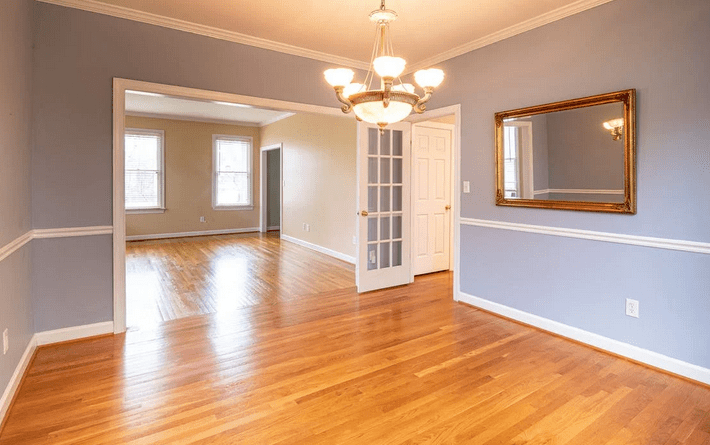
Another reason that they are very easy to care for. Unlike carpet, which needs to be vacuumed and shampooed regularly, hardwood floors only need to be swept and mopped. This makes them much easier to keep clean, and also means that you won’t have to spend as much time and money on upkeep.

They Can Be Refinished

installationIf your hardwood floors ever start to show signs of wear and tear, they can easily be refinished. This process involves sanding down the floor and then applying a new finish.
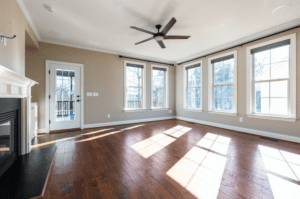
This is a great way to make your floors look new again, and it can be done relatively cheaply. In addition, many homeowners choose to refinish their hardwood floors because it allows them to change the color or style of their floors.

They Don’t Harbor Allergens

Another big selling point of hardwood floors is that they don’t harbor allergens and dust mites like carpets do. this is because hardwood floors are non-porous, which means that dust and allergens can’t penetrate the surface. This is a great choice for people who suffer from allergies or asthma, as it can help to reduce the symptoms.

They Go Anywhere

empty roomFinally, hardwood floors are a great choice because they can go anywhere in your home. Unlike carpet, which is often limited to certain rooms, hardwood floors can be installed in any room of your house. This gives you a lot of flexibility when it comes to design, and means that you won’t have to worry about finding flooring that matches the rest of your house.
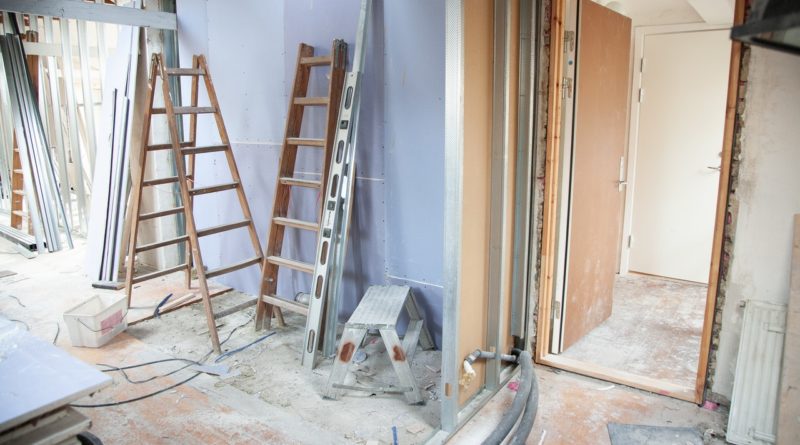

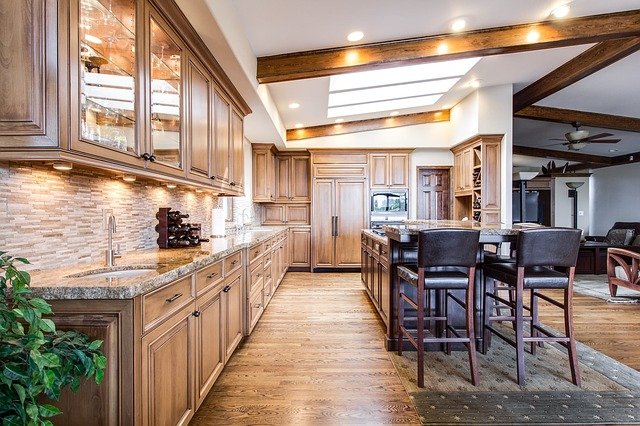
These are just a few of the reasons why hardwood floors are a great choice for your home. If you’re looking for flooring that is durable, easy to care for, and versatile, then hardwood floors are the way to go. So what are you waiting for? Get started on your hardwood flooring project today.…

Read More
Construction

The Benefits of Hiring Contractors When Renovating Your Home

When it comes time for a home renovation, many people choose to do the work themselves. This can be a great way to save money on labor costs, but there are some cases where hiring contractors, such as Reborn Renovations, is the better option.

Here are the benefits of hiring contractors when renovating your house:

They Can Help You Save Money

Hiring a professional contractor can actually save you money. They have the experience and skills to get the job done right the first time, which can save you from having to pay for costly repairs down the road. They can also help you find quality materials at a lower cost. Contractors often have access to discounts and wholesale prices that the average consumer doesn’t.

This route may seem to cost you more upfront, but in the long run, it will save you time, money, and headaches.

blue counter

They Have the Experience and Expertise

When you hire a contractor, you are hiring someone with years of experience in the business. They know how to get the job done quickly and efficiently. And because they’ve done it so many times before, they can usually spot potential problems before they happen. This saves you time and money by avoiding costly delays and mistakes.

In addition, contractors usually have a team of workers they can call on to help with the job, which means it will get done even faster.

They Can Help You Avoid Costly Mistakes

As we mentioned before, one of the biggest benefits of hiring a contractor is that they can help you avoid making costly mistakes. They have the experience and expertise to know what works and what doesn’t.

For example, if you’re considering a major renovation like adding an addition to your home, a contractor can help you determine if it’s feasible and if it’s worth the investment. They can also help you avoid making common mistakes that novice renovators often make, such as underestimating the scope of a project or biting off more than they can chew.

wood accents

They Can Take the Stress Out

Undertaking a home renovation can be a stressful experience, especially if it’s your first time. There are so many things to think about and coordinate like budget, timeline, materials, workers, etc. But when you hire a contractor, they will take care of all of that for you. All you need to do is tell them what you want and when you want it done, and they will take care of the rest. This can free up your time to focus on other things, like your job or taking care of your family.

They Can Help You Stay on Schedule and on Budget

budgetOne of the biggest advantages of hiring a contractor is that they can help you stay on schedule and on budget. Because they’ve done it so many times before, they know how to plan and execute a renovation project efficiently.

They also have relationships with suppliers and workers, which means they can get materials and labor at a lower cost. And because they’re coordinating everything, you won’t have to worry about dealing with the stress of trying to keep everything on track.

So, if you’re considering a home renovation, be sure to give serious consideration to hiring a contractor. It could be …

Read More